Digital Transformation Solution and Services in Kochi, Kerala
React Native Today: Building Mobile Apps That Actually Work
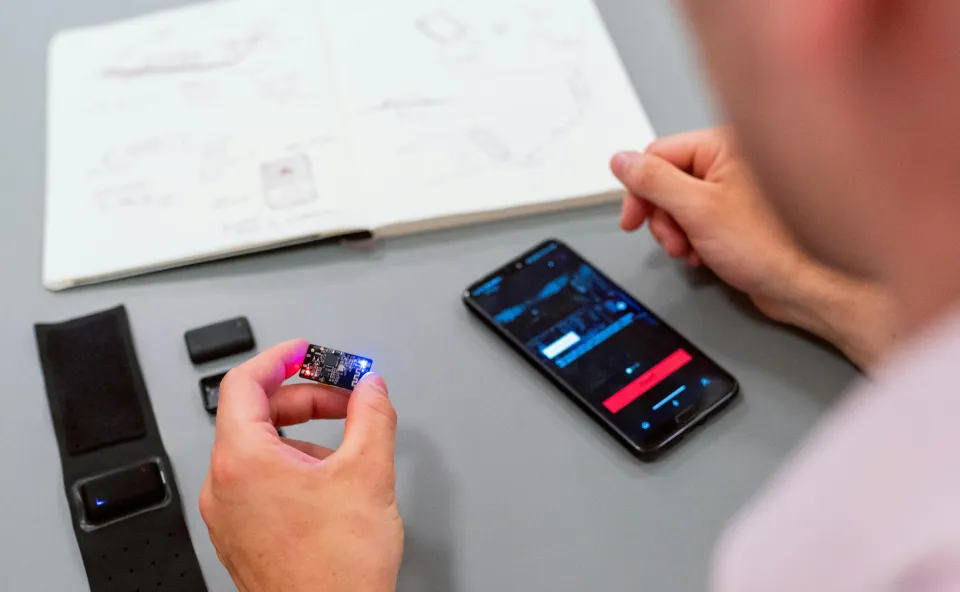
Think about the last app you used today. You probably didn’t think about the technology behind it. You just expected it to open quickly, feel smooth, and do its job without getting in your way. And honestly, that’s exactly what users expect now: no delays, no confusion, no second chances.
For the teams building these apps, though, things look very different. Choosing a mobile framework isn’t just a technical decision anymore. It’s about picking something that can handle real users, real pressure, and real growth.
This is where React Native continues to quietly prove itself.
After the Buzz, What Really Matters
React Native has been around for a while now. The early excitement has settled, and that’s actually a good thing. What remains isn’t hype. It’s experience. At its core, React Native allows developers to build native mobile applications for both Android and iOS using a shared codebase. In simple terms, this means teams don’t have to build and maintain two completely separate apps for two different platforms. Most of the logic, UI, and behavior can be written once and reused across both ecosystems. This cross-platform approach doesn’t just save time. It changes how teams work. Features can be developed faster, bugs can be fixed once instead of twice, and updates can reach users on both platforms with far less friction. At the same time, React Native still gives access to native components when needed, so teams aren’t forced to compromise on platform-specific behavior. But in real projects, that technical advantage is only part of the story. What really matters is how well this approach fits into everyday development. Tight deadlines, changing requirements, and the constant need to ship something reliable are all part of it. And over time, React Native has shown that it can handle all of that.
What Does Work-Life Balance Really Mean?
Work-life balance is about creating harmony between professional responsibilities and personal life. It doesn’t mean working less—it means working smarter, while still making time for rest, family, health, and personal growth. When balance is achieved, individuals feel more focused at work and more present in their personal lives.
What Does Work-Life Balance Really Mean?
Work-life balance is about creating harmony between professional responsibilities and personal life. It doesn’t mean working less—it means working smarter, while still making time for rest, family, health, and personal growth. When balance is achieved, individuals feel more focused at work and more present in their personal lives.

Why Work-Life Balance Matters
Better Mental and Physical Health Excessive work pressure can lead to stress, burnout, and long-term health issues. A balanced routine helps reduce fatigue and supports overall well-being. Improved Productivity Well-rested minds perform better. Employees with healthy work-life balance tend to be more efficient, creative, and motivated. Higher Job Satisfaction When people feel respected and supported, they are more engaged and committed to their work. Stronger Personal Relationships Time spent outside work strengthens relationships, which positively impacts emotional stability and professional performance.